

Over the weekend, Matt Rogers and Bowen Yang, hosts of the popular culture podcast Las Culturistas — who, for full disclosure, I have loved for some time — ignited an internet firestorm with their commentary on the ongoing Democratic Senate primary in Texas.
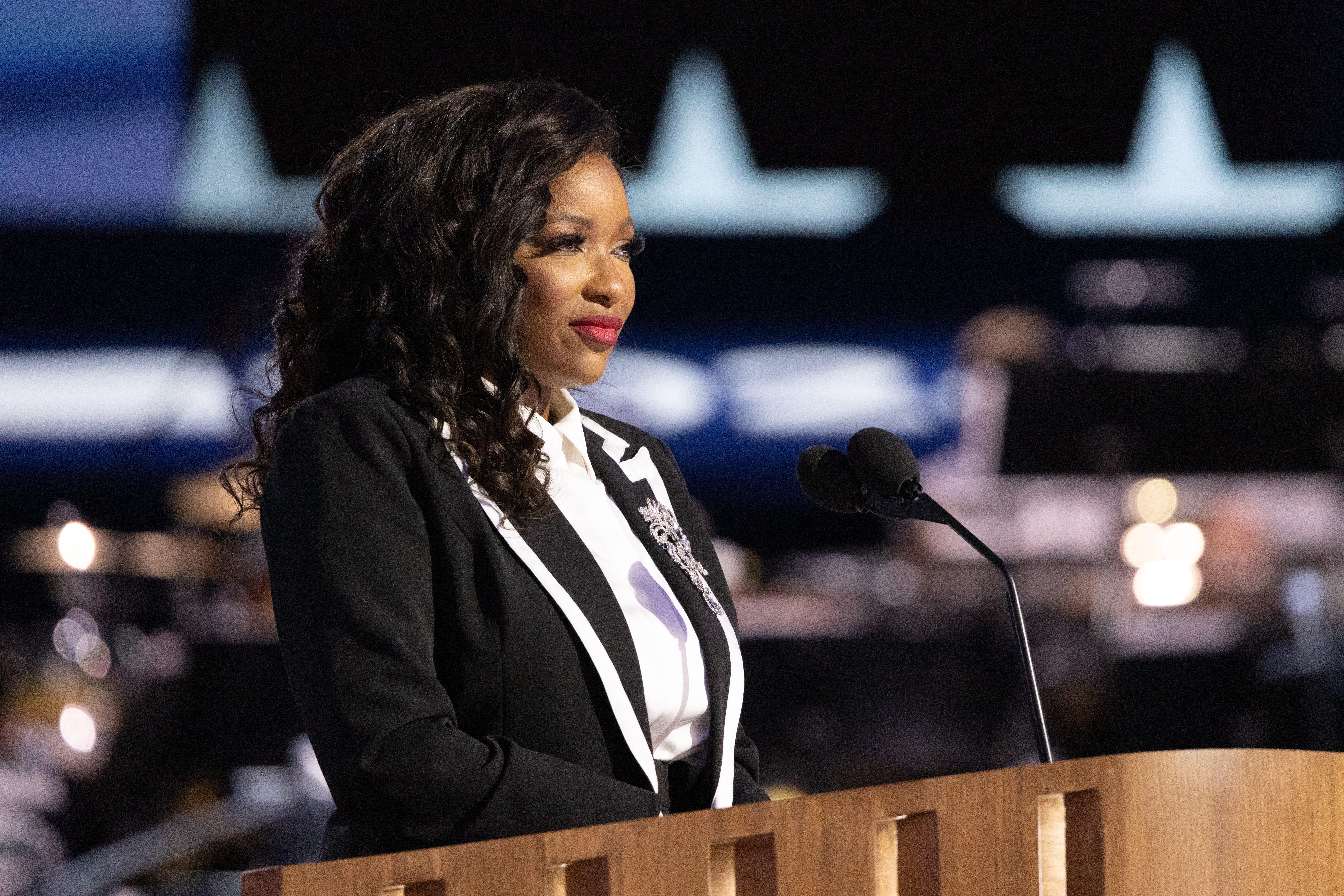
The duo, both gay men, suggested Congresswoman Jasmine Crockett was not a viable candidate. “Don’t waste your money sending to Jasmine Crockett, do not do it. You’re going to waste your money,” they said.
Many corners of the internet erupted with indignation. Users suggested the hosts were undermining Crockett because of her race and gender. Sufficiently cowed, the two podcasters issued an Instagram apology. The internet moved on.
But the whole ordeal resurfaced a long-simmering debate on the left about the role of identity in our politics.
‘Identity politics’ annoys me to no end. On the left, it has often been weaponized to redirect and downplay sharp criticisms over policy — giving candidates a backstop to run their campaigns with an explicit and often redundant focus on their race or identity rather than their ideas. On the right, ‘identity politics’ has become a pejorative to mock any analysis of policy that might touch upon race, gender, and identity broadly.
Neither the left nor the right offer room for any actual discussion of the role that identity should play in policy development and strategic political decisions. We talk past each other and retreat to our preferred silos and nothing changes.
The Trump Administration’s actions are rolling back the progress that we have made to advance a pluralist society. The Supreme Court is set to continue gutting bedrock civil and voting rights laws under the guise of ‘originalism’ and ‘major questions’ doctrines.’ Many working Americans are worried they could lose their jobs or new opportunities due to baseless attacks fueled by reactionary sentiment to ‘diversity, equity, and inclusion.’
It remains crucial that the people closest to the negative impacts of policy have a voice. Calibration is key.
Should future candidates replicate pledges like the ones Joe Biden made during his 2020 presidential run — such as his commitment to elevate members of certain demographic groups to political posts they’d historically never held before? Probably not.
Should political parties contort themselves by needlessly imposing diversity rules among their ranks? I hope not.
Should aging Congressional leaders continue to hold onto their leadership positions, even when their fastball clearly isn’t what it used to be? We should all hope not.
Should diverse candidates for higher office — with colorful public profiles and a flare for the controversial — be absolved of any interrogation or questions regarding their electoral viability? As the sage Dionne Warwick once smartly remarked: to what end?
Diversity is a strength in this country, but liberals are long overdue for an extended family conversation about the merits attached to baking identity into so many strategic and policy considerations made within our coalition. We should begin by delineating what our actual policy goals or desired outcomes are.
Americans are hungry for leaders who can demonstrate that government can still solve big problems and not just serve as a conduit for corporations and the wealthy. This is a fraught moment — one where it is critical that politicians prioritize the problems that are top of mind for the people they represent.
Identity is important. It can and absolutely should provide perspective as we work together to solve some of our nation’s knottiest issues. But to let identity itself become an almost reflexive shield against any criticism cheapens the whole American experiment.
What happens in Texas never stays in Texas. Liberals should welcome that.
To exit the political wilderness, we need to face tough questions about the role that identity politics has contributed in getting us to where we are now. This does not mean sidestepping identity or downplaying it, but instead adapting our focus to the present.
The fights we face are not quite the same ones our forebears faced. They have evolved. Our tactics, policy priorities, and thresholds for alarm must also evolve.
Is ‘identity’ crucial to the path our country must forge ahead? Absolutely. But is ‘identity’ the hill we need to die on as we work together to forge that path? I don’t think so, honey.

At some point in the future we will all be one race, and skin color will not matter. But at that point, we may well find something else with which to distinguish ourselves into tribal factions. And the challenge will remain: making Democracy work for all. "Identity politics" (at least for the Democrats) is a derogatory reference to an attempt to do just that. Although it was a blunt instrument, it was nevertheless an attempt to right long-standing biases that remain in our society. So yes, the Democratic approach to addressing these prejudices has been flawed, but the fundamental problems remain. So the challenge for democrats is not to abandon the effort, as this article seems to suggest, but to re-establish the need to address prejudice in our society and craft workable legislation.
Yang could have just said he was being funny, but no one watching SNL would buy it.🤔