

Across the political spectrum, new media, creators, and influencers often lean hardest toward the extremes on either end. And that’s no surprise: Your feed is heavily biased toward showing you the very-online, very-loud, very-intense voices of our politics. There is a significant financial and attention incentive for the largest of these personalities, too.
Two things can be true at once. Your algorithmically-pruned feed is not real life — our politics plays out much differently than what you’re seeing in your online bubble — and these influencers and online personalities do in fact matter. But the question of “How much?” remains.
New polling from Searchlight shows a significant gap in the name recognition of personalities on the left versus their counterparts on the right.
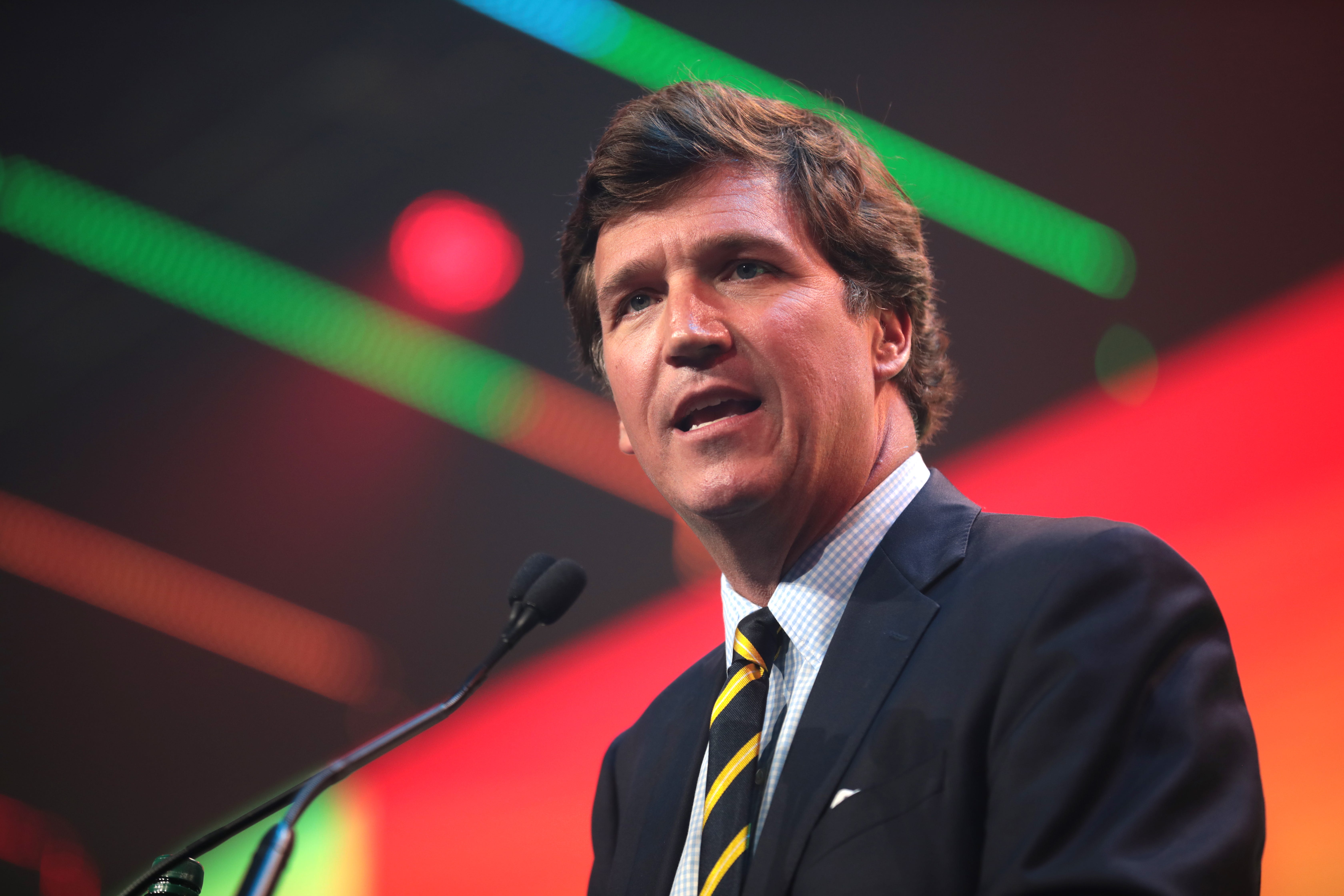
That won’t be breaking news to anyone paying attention — it’s conventional wisdom at this point that the right is eating the left’s lunch when it comes to new media. But before liberal readers start bellyaching they should take heart from the fact that right-wing figures tend to be quite unpopular. In fact, Tucker Carlson was the most disliked person that we polled (maybe there is hope after all). And Ben Shapiro, the most popular conservative tested, is seeing his viewership numbers fall off a cliff.
It’s worth taking a minute to zoom in on Hasan Piker. Before you groan from exhaustion on the topic it’s important to note that he’s making a real effort to assert himself as a gatekeeper for the left — and even though he’s not a kingmaker (by his own admission), he has seen some success as an endorser in Democratic primaries.
For all the attention that Hasan has received from beltway media and the chattering class, he’s just about as unknown to the general public as Asmongold, an avatar of the ‘incel’ right. Believe it or not, Hasan is actually less-liked than his fellow streamer, although that unfavorability is driven mainly by Republicans.
So, how do we actually measure ‘influence?’ That’s proving to be a difficult proposition. Folks like Hasan do undeniably play an important role in our politics by driving conversation via their loud and engaged audience. Any major political campaign takes creators and new media seriously; many of them now hire digital partnerships and new media staff. Influencers get credentials to campaign events or an escort on Capitol Hill. They are briefed on policy. Candidates and elected officials meet with and make content with them — often developing a personal relationship.
But, as with most things related to politics, there’s a TON of grey here. Influencers have pretty small audiences as well as their own baggage, and each individual candidate has unique potential benefits and pitfalls from engaging with new media. That being said, influencers have carved out important niches for themselves. They’re tenacious, and they’ve become a true force for holding candidates accountable or otherwise pushing for them to mutually agree on policies and positions. They’re here to stay.