

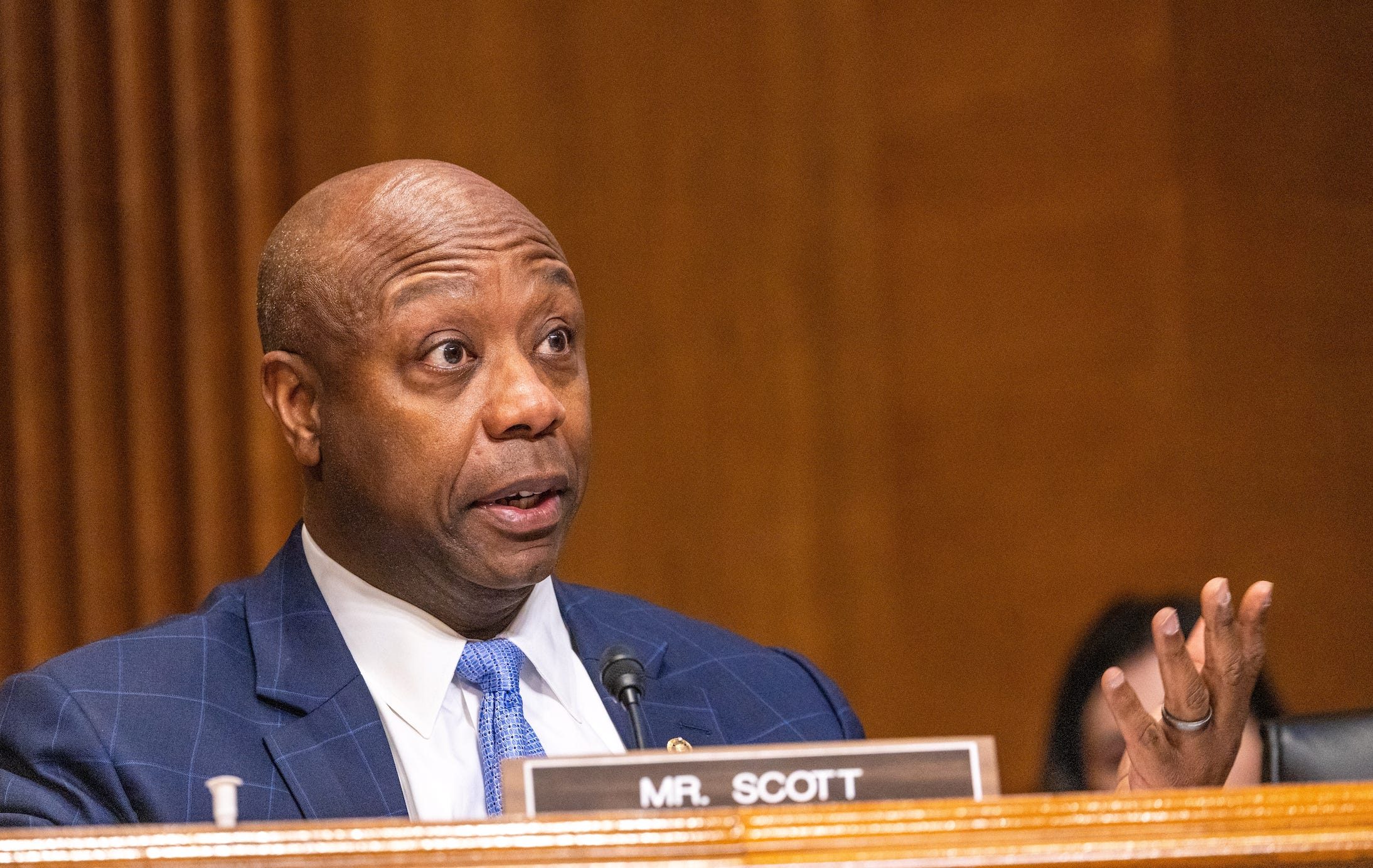
Recent news of the Senate Committee on Banking, Housing, and Urban Affairs pushing crypto regulation to the back burner so it could focus on housing got me thinking *in my Carrie Bradshaw voice*: Why does the Banking Committee oversee most federal housing policy in the first place?
It shouldn’t.
The Senate Committee on Banking and Currency was created in the early twentieth century to grapple with financial instability, most notably the monetary policy debate that resulted in the Federal Reserve System. Housing wasn’t part of the story at that time. But as federal housing programs expanded and urban development became a central domestic policy concern in the 1960s, the Senate chose not to create a dedicated housing committee. Instead, in 1970, it folded housing and urban affairs into Banking’s jurisdiction.
That decision made sense for decades, as the federal government’s interactions with the housing market were primarily dealing with mortgage markets, credit, and subsidizing demand. This logic even holds within the context of the 2008 financial crisis. When the housing market collapsed because of risky lending, inflated assets, and a broken mortgage market, the crisis was fundamentally financial.
But since the Great Recession, the dominant housing problem facing Americans has been a lack of supply. Keeping housing embedded in a committee oriented toward credit markets and demand-side tools leaves Congress better equipped to solve the housing crisis of yesterday than the housing crisis of today.
This structure makes policymakers begin steering their policies towards solutions that won’t help solve the underlying problem. Finance-driven housing crises call for banking regulation, consumer protection, and efforts to stabilize unstable markets. Supply-driven housing crises, by contrast, require changes to zoning and land use, faster permitting, and federal efforts to spur housing development at scale. When the problem is supply, the legislative focus must shift accordingly.
The committee structure also hones in this policy instinct. In recent years, Senate Democrats have rightly elevated some of their most fervent financial policy thinkers to the committee. Elizabeth Warren. Sherrod Brown. Genuine titans when it comes to policymaking in banking.
This concentration of expertise reflects a committee designed to view housing through a financial lens. When banking is then made to be in the same committee as housing, the angle from which policymakers will be attacking these issues is obvious.
This misalignment has a crowding out effect as well. The ROAD to Housing Act is an amazing first step at addressing the housing supply issue but it ultimately is an anomaly on the committee. There are just too many major banking and finance issues going on.
Housing, since the end of the financial crisis, has largely taken a back seat to a progressive agenda focused on reeling in the big banks and protecting consumers. Obviously, financial regulation is an important policy area — but so is housing supply. This problem reflects a broader institutional failure. Institutions only work when they are designed for the problems they are meant to solve. The current supply crisis in housing is the most blatant to me. It is also a relatively recent phenomena in the mind of policymakers.
Developing and advocating for policies that will expand supply is an important part of solving it, but without having matching institutions that are fit for the purpose and reflect the problem’s severity, we will fall back into the status quo.
I don't see how one would so quickly connect the dots from "the committee passed the legislation" to "time to break up the committee". Also, the fact that committee prioritized housing over crypto could just as well have been seen as an indicator of future positive intent on housing.
I recognize that ever since Abundance got published, there's a growing interest in how to better regulate zoning for building more housing. If one really wanted to reorganize committees around housing, why not discuss putting housing and environment together to rationalize the impact of more development? (Not my choice, just proposing an alternative to discuss if the intent is to optimize housing construction.)
FWIW, if this legislation got passed, I think every NIMBY in every state would start filing lawsuits. In that context, you'd want a very strong and established committee in place protect the intent of the legislation.